Traditionally Mayfield is a sugarcane farm, third generation. However, prior to the sugarcane being planted, the land was planted to wattle trees. These wattles were pulled out by Mr. Garnett Senior (Heath Garnett) in the early 1940’s and slowly the land was planted to sugarcane. Heath Garnett, an Englishman, had been farming in Cuba before arriving on the natal north coast. Christopher, second generation, began farming in 1954 and further developed and grew the farm. Christopher was a passionate conservationist and ensured the nurturing of the natural bush lines on Mayfield Farm and diligently cared for waterways, dams, natural streams and springs. Mayfield has had a no burn policy since the 1970’s, starting with Heath as he always believed that retaining the trash from the cane on the field preserved and protected the soil as it kept moisture in the soil. With a no burn policy it also ensured that the microbial and fungal life of the soil was preserved and not wiped out in the heat of the fires. Mayfield farm became well known for its trash blanket found lying on top of any harvested field. This trash in turn has the added benefit that as it decomposes, it adds organic matter to the soil, therefore building the soils. The result is Mayfield has a rich soil profile ensuring maximum water retention, aeration, abundant microbial life. Christopher won the Thermeda Award acknowledging his environmental passions. He sat on many Environmental Boards and was deeply concerned about things like the cambers of roads, run off, water preservation and avoiding top soil loss at all costs.
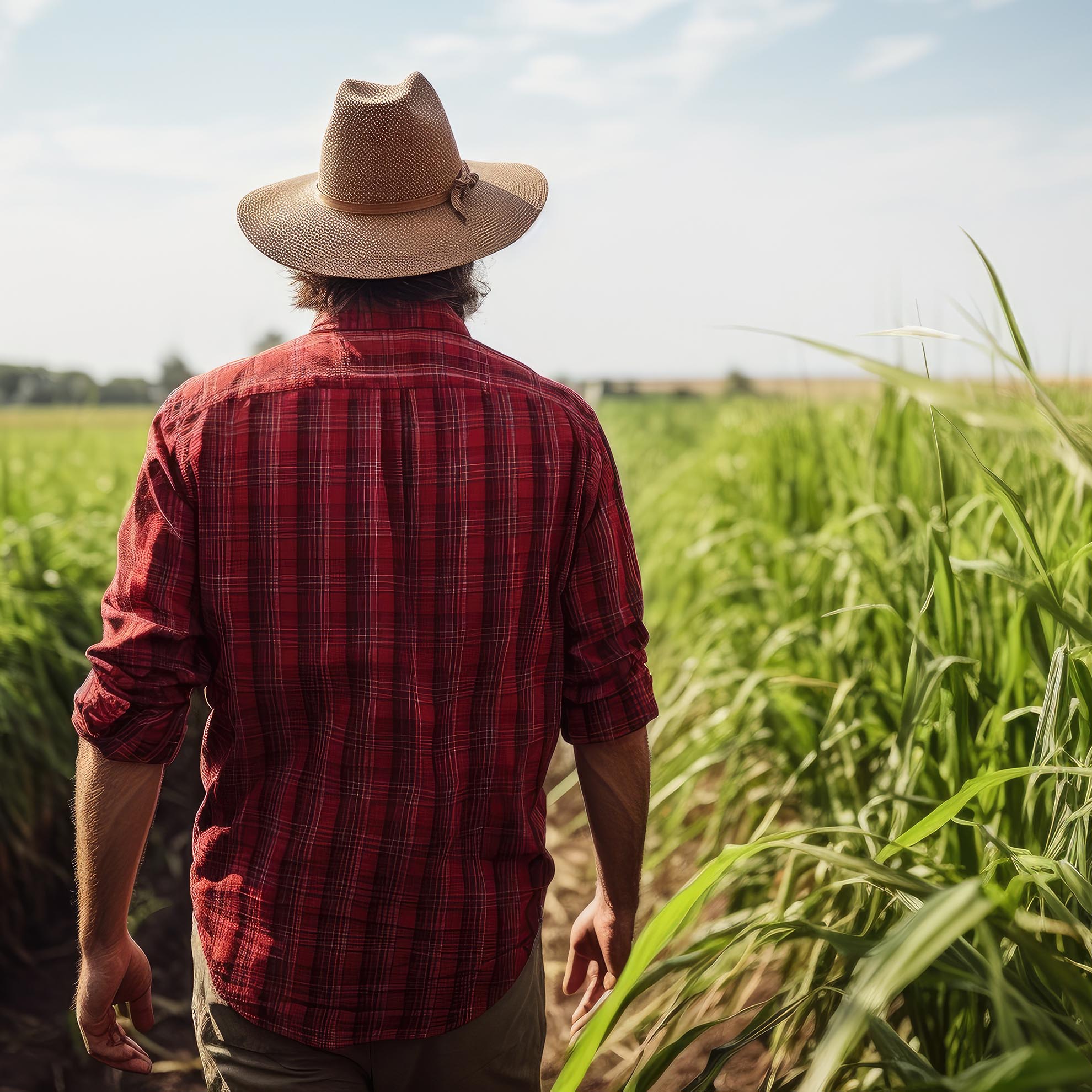
It was into this setting that Piers was born and raised and so it was a natural progression for him to carry the baton his father handed to him, in terms of furthering and deepening this way of living-farming. Piers, as his father did, walks the land every day to get a feel and sense of the farm and you will often find him with his hands deep in the soil, looking and learning. Farming practices still revolve around soil conservation at every turn. Sometimes this is very challenging so as to not disturb the soil too much, but enough to plant a new crop. Never to leave too much soil exposed for heavy rains and strong winds to remove precious top soil. Minimum tillage practices are preferred with cover crops or trash blankets to minimize top soil exposure to the elements.
The Sugar Industry
On a larger scale, looking at the sugarcane industry within South Africa, sugarcane farming is a significant agricultural industry in South Africa, primarily concentrated in the coastal regions of KwaZulu-Natal and inland in Mpumalanga. The warm, humid climate and fertile soils in these areas provide ideal conditions for sugarcane cultivation.
The process of sugarcane farming involves several key stages. It begins with the preparation of the land, which includes clearing the field, ploughing, and fertilizing the soil. On Mayfield these inputs are at the bare minimum. Fertilizer inputs are natural wherever possible, in the form of compost or compost teas, and harrowing is done only to incorporate cover crops when a field is prepared for planting.
Sugarcane is then planted as setts, which are sections of mature cane stalks. The sugarcane is heat-treated to ensure no disease is carried through to new fields. Once planted, the crop requires regular irrigation and weed control to ensure optimal growth. Mayfield has good rain fall and moisture-rich soils and therefore does not rely on any irrigation. Weeding is done by hand in all crops besides one chemical spray in sugarcane and only when absolutely necessary. On Mayfield we have all become used to a more unkept look, more of an organic wild look!
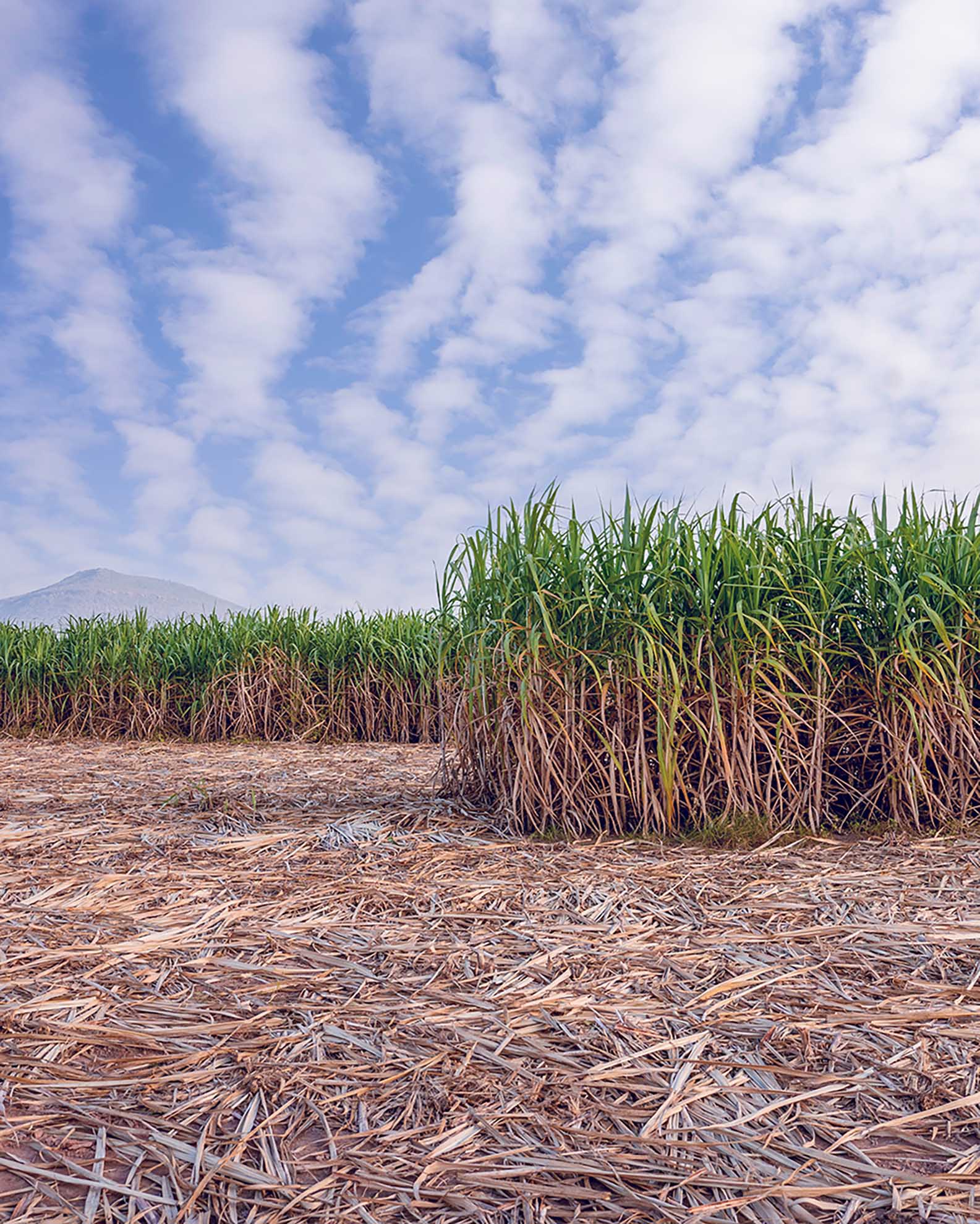
Harvesting sugarcane is a labour-intensive process. Mature cane stalks are cut by hand ,on Mayfield, the sugarcane is unburnt and the leaves are left in the field and this is known as the trash-blanket. The cane stalks are then loaded onto trucks, and transported to sugar mills. Mayfields cane goes to Gledhow Mill in Kwadukuza (Stanger). At the mills, the cane is crushed to extract juice, which is then processed through a series of steps to produce raw sugar. This raw sugar is further refined to produce white sugar.
The South African sugar industry plays a crucial role in the country's economy, providing employment opportunities and contributing to foreign exchange earnings. However, the industry faces several challenges, including fluctuating global sugar prices, climate change, and rising input costs.
To address these challenges, the South African sugar industry has implemented various strategies, such as investing in research and development to improve sugarcane varieties and farming practices, promoting sustainable farming methods to reduce environmental impact, and diversifying into value-added sugar products.
By adopting innovative approaches and addressing the challenges, the South African sugar industry can continue to thrive and contribute to the country's economic growth.
Mayfield is always looking towards wholeness, health and wellness and exploring opportunities in all ways and the sugar industry is no different, looking to better man and natures interaction.
The Sugar and Health Debate
There has been so much said about this topic and we are sure that most of you know that any eating plan that includes too much refined food is never the best choice. We all know that too much refined, simple carbohydrate is not going to add to your health and longevity. However, the caveat is that when one learns to eat correctly and a little bit more about the timing of certain foods, we can live a healthy balanced life without feeling too deprived! The greatest issue currently is that all our food is becoming more processed and in the processing of foods there are additives which are not good for us. Another aspect to this is that sugar is added into so many processed foods and we are completely unaware of the amount we are consuming. So: read labels! Eat whole foods. If you like something sweet then educate yourself and pick the type of food you have your dose of sugar in and pick your timing. It is all about keeping your glucose levels stable and there are many hacks you can employ to assist you.
Recommended reading on this topic:
- Good Energy by Dr. Casey Means
- The Glucose Goddess by Jessie Inchauspe