
KRUGER PARK SOIL
Finding a site and farm to begin the production of our biocompost was serendipitous. To find a partnership with a group of likeminded individuals who understand the value in curating a product that feeds life into their soils was the real magic. In the case of our site at the Mayfield Family Farm, it was meant to be. The Garnett family holds soil health as the guide to all other functions and processes that are orchestrated on the farm.
We are a team are microbe managers, literal and figurative, the small things really matter. We monitor the prey and the predators closely using microscopy, from start to end. Each windrow recipe is planned and intentional with the targeted crop outcome in mind, from carbon to nitrogen ratios, pH, population and categories of predatory microorganisms, to the most targeted of all: beneficial fungal biomass. These are our underground highways for nutrient and water transport, channelling from places of abundance to places of need. Our fungally dominant biocompost is the Kruger Park of the soil, wild and diverse.
These important microscopic organisms are sources of nutrients which respond to the plants roots in an interplay of symbiosis and reward. Plants are able to reach higher levels of photosynthetic potential, with fewer inputs. Secondary metabolites (the antioxidants, the smells, the flavour) are directly correlated with levels of soil life. That sweetness in your carrots, is a result of this soil life. It makes sense that better tasting produce is mother natures way of informing our bodies of better nutrition.
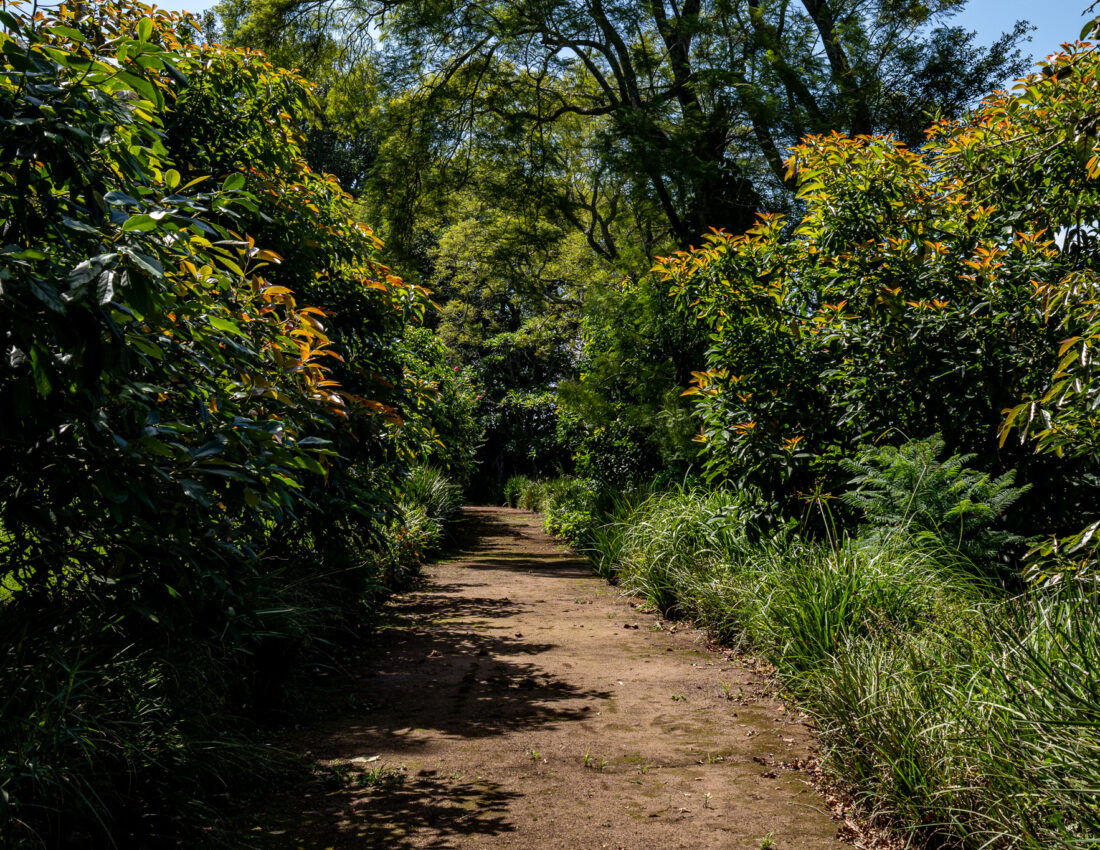
The magic of Mayfield that gives our compost an extraordinary boost of diversity and life is that all the material we use is clean. Its from the farm and so we don’t need to guess when it comes to our recipe formulations. Populations of microorganisms are not impacted nor reduced as a result of any chemical sprays or poisons. The soil on which our site is based has an incredible abundance of earthworms which come up to inhabit our windrows. The site is also fully grassed and bordered off by rows of trees which helps keep the windrows in tune with the elements… the grass drinks excess rain, the trees and shrubbery provide shade and diverse insect life (these are the macro predators we can see with our eyes)… all adding to the beautiful web within which our biocompost is curated.